Benefits and HR Takeaways From Trump’s State of the Union Address
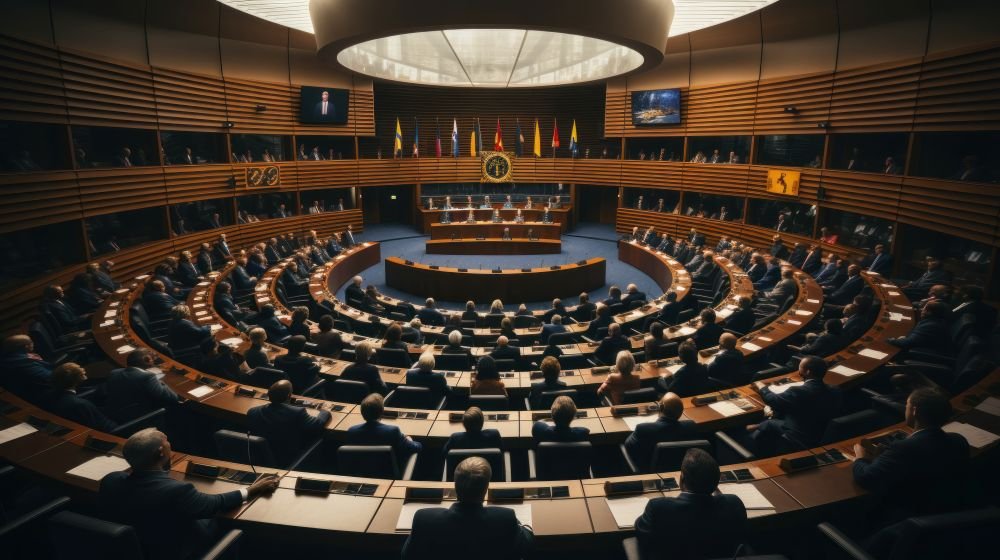
On Feb. 24, President Donald Trump delivered the first State of the Union (SOTU) address of his second term.
The SOTU address is an annual speech the president delivers near the beginning of each year, outlining how the country is doing and identifying future initiatives the current administration wants to pursue. For employers, the SOTU address is important, as it often provides insight into proposed plans and initiatives relevant to the workplace. While the 2026 SOTU address focused on the economy, immigration and tariffs, there are several key HR and employee benefits-related takeaways for employers.
Retirement Readiness
Although the 2026 SOTU did not introduce major new HR or benefits-related legislation, Trump did signal potential changes for retirement accounts. He announced plans to offer about 40 million working Americans access to a retirement account similar to those available to federal workers who don’t have a 401(k) or similar employer-based retirement account. The structure would mirror the Thrift Savings Plan used by federal employees, with short-term treasuries and index‑based investment options. The White House said it would expand on the Secure Act 2.0, which offers workers who already have retirement accounts up to $1,000 in matching funds if they contribute $2,000 of their own. The proposal would expand these benefits to millions of Americans.
“My administration will give these forgotten American workers, great people, people that built our country, access to the same type of retirement plan offered to every federal worker. We will match your contribution with up to $1,000 each year.”
President Trump
When finalized, employers could anticipate several outcomes from this announcement. First, employers without retirement plans may face increased employee expectations to offer one or help employees navigate the federal option. Workers may also compare their employer-sponsored plans to generous federal matching. While large employers may have more conversations about 401(k) match competitiveness, small employers may experience less pressure to administer their own 401(k) for workers.
Health Care and Drug Costs
Trump did not make any formal announcements in the SOTU regarding health care mandates, Affordable Care Act changes, paid family leave or employer compliance requirements. He emphasized health care affordability and claimed his administration’s previous proposals, such as the Great Healthcare Plan, would reduce drug prices and “make federal payments directly to people,” suggesting a possible shift toward individualized health care subsidies. Trump did not discuss in detail his administration’s changes in policy at the agency level.
Continued Tariff Policy
Trump said he plans to restore tariffs after the Supreme Court struck down his earlier tariff framework.
He asserted that tariffs are generating revenue and believes that tariff revenues could one day “replace” U.S. income tax, the government’s primary revenue source.
Tariffs do not directly modify benefit regulations, but they can influence employer cost structures, wage expectations and employee financial stress.
What’s Next?
Employers should look for more details about proposals mentioned in the SOTU in the coming weeks and months. While some of the discussed initiatives could affect employee benefits and the workplace, their effects won’t be evident until more information is released.
We will keep you updated on any additional government updates and other pertinent matters. Contact us today for more resources.
 Prev
Prev

